Small Spaces, Grand Living: Bespoke Built-Ins that Elevate Every Inch

Today we’re exploring custom built-ins and bespoke storage solutions for small luxury apartments, uncovering smart design moves, materials, and real-world tricks that make compact homes feel generous, serene, and undeniably high-end, without sacrificing personality or daily comfort. Expect actionable ideas, elegant details, and inviting stories that inspire confident decisions.

Plan the Footprint, Then Sculpt the Storage

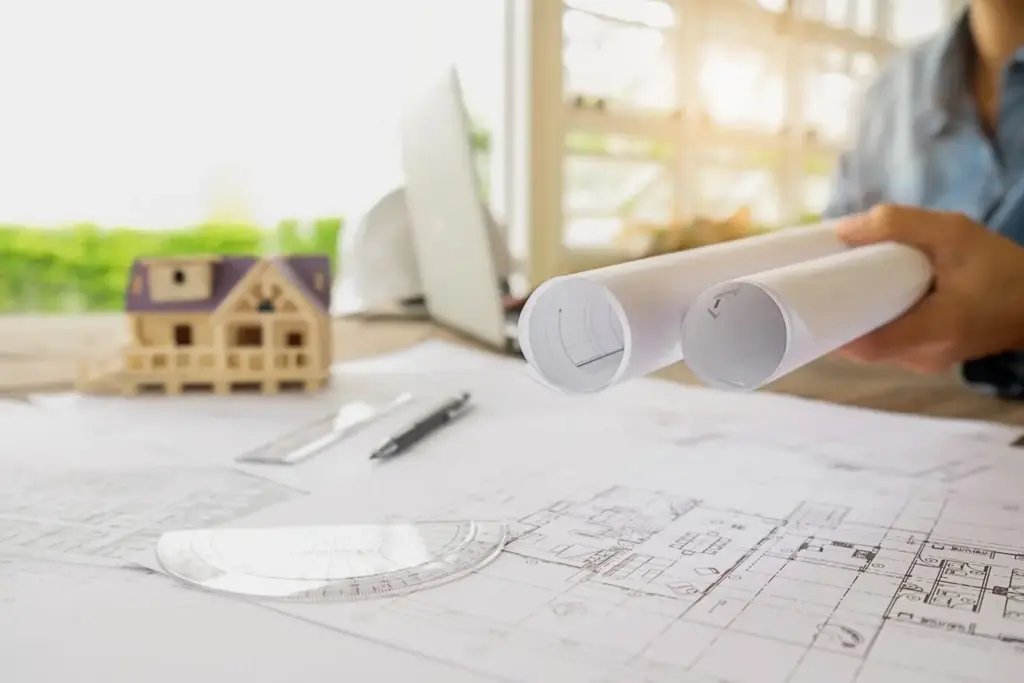
Great built-ins begin long before sawdust flies. Measure every wall, soffit, baseboard, and outlet; photograph hidden pipes; list what you own by category and how often you reach for each item. Zoning functions clarifies where dining, working, sleeping, and lounging truly occur. When you sketch honest routines, storage becomes sculpted support instead of bulky boxes, revealing opportunities in corners, under sills, and along circulation paths that previously felt unusable.

Lifestyle Audit and Measured Reality

Start with a lifestyle interview of yourself or your household. Count shoes, bulky appliances, sheet sets, and hobby gear; measure luggage and vacuum height. Combine these facts with precise room dimensions, door swings, and window heights, producing a realistic brief that guides every custom cavity and shelf.

Sightlines, Flow, and Human Scale

Sightlines across small rooms are precious. Keep built-ins low beneath windows, float shallower elements near entries, and align tall storage as backdrops rather than partitions. Consider how sitting and standing eye levels read objects; design reveals and shadow lines that compress visual mass while preserving generous movement.

Flexibility Without Visual Clutter

Life changes, and cabinetry should anticipate it. Use adjustable shelf pin systems, movable dividers, and interchangeable drawer inserts. Build wiring chases and removable panels now to accept future speakers or screens. This strategy stretches investment value, while your apartment remains calm, composed, and ready for evolving habits.

Materiality and Finish Choices that Broadcast Quiet Luxury

Luxury in tight quarters thrives on materials that feel substantial yet visually light. Consider rift-sawn oak, walnut, or matte lacquer over low-emission cores such as FSC plywood or E0 MDF. Pair with thin stone or porcelain slabs, integrated pulls, and discreet hardware, creating tactile richness without bulky profiles or intimidating maintenance.

Timber, Stone, and Sustainable Cores

Solid wood is beautiful but moves; high-quality veneers on stable cores deliver consistent faces and slimmer sections, perfect for narrow corridors. Ask about chain of custody and formaldehyde ratings. Edge details, grain matching, and protective finishes quietly signal craftsmanship while keeping pieces resilient in humid, ever-changing urban interiors.

Hardware, Hinges, and Soft-Close Magic

Hardware determines daily delight. Seek soft-close slides rated for heavy loads, concealed hinges with 3-way adjustment, and touch-latch mechanisms where handles would clutter profiles. Brass and blackened steel age gracefully, while powder-coated aluminium stays crisp. Specify dampers on lift-ups so motion feels gentle, quiet, and confidently controlled.

Multifunction Marvels: Sleep, Work, Dine, Stow

Every square foot must hustle. Bed platforms can hide deep drawers; benches double as dining seating and linen storage; desks fold away behind quiet panels. When pieces transform gracefully, rooms read serene rather than cramped, inviting guests to wonder how so much utility disappears when not in use.

Bed Platforms with Hidden Depth

Raise a queen mattress onto a platform with drawers that open fully using over-travel slides. Integrate toe-kick lighting for safe midnight steps and felt-lined compartments for watches or chargers. This single move liberates closet space, reduces visual noise, and turns bedtime into a subtly choreographed ritual.

Window Seats and Radiator Covers That Work

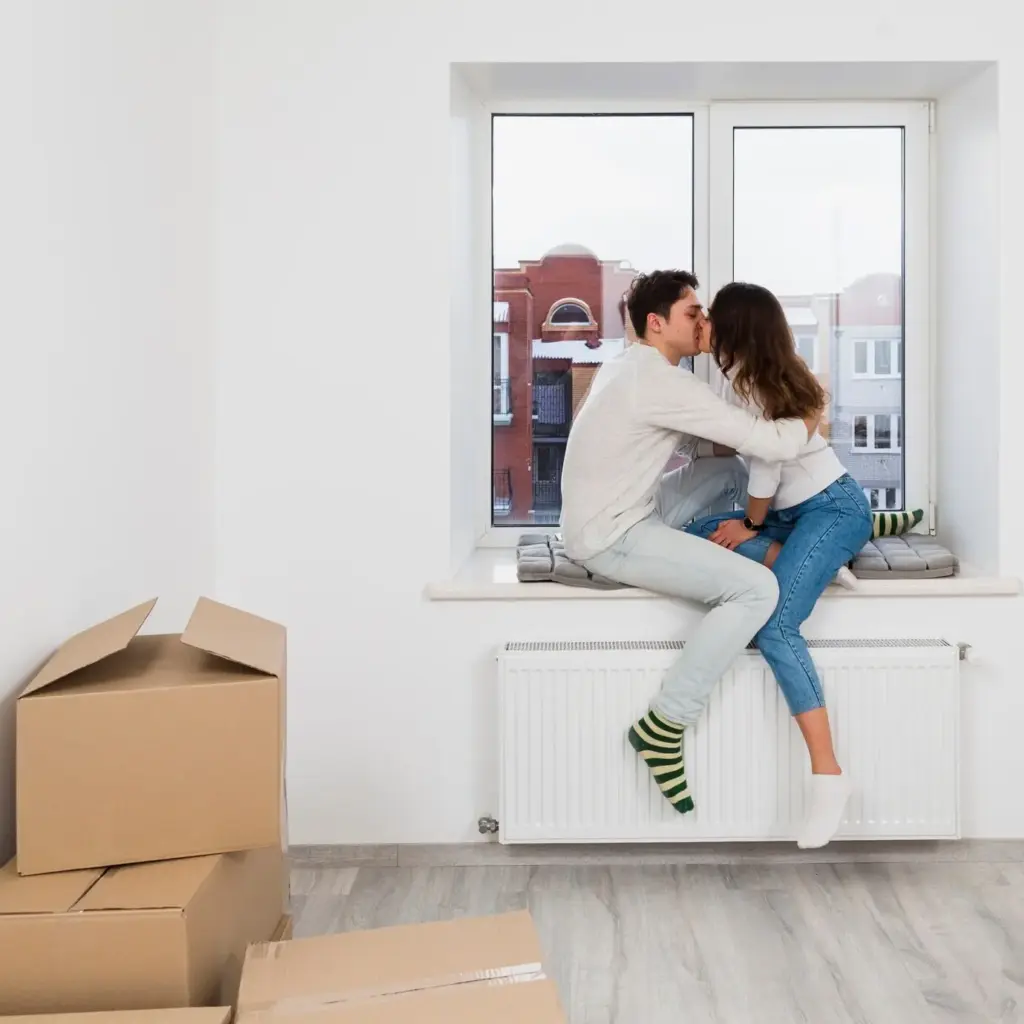
Many apartments hide radiators beneath windows. Pair a perforated metal grille with a deep bench and flip-up seat, creating storage for throws while preserving airflow. Add a narrow book ledge along the back, framing city views and inviting morning coffee moments in a compact, sun-washed corner.

Invisible Technology: Light, Power, and Comfort Built In
Technology should disappear into the craftsmanship. Plan dimmable LED task strips with 90+ CRI inside shelves, toe-kick night guides, and art lighting on discreet tracks. Hide outlets within drawers, integrate wireless chargers into counters, and route cables through dedicated chases, maintaining serenity while delivering reliable comfort, convenience, and safety.

Curate What You Show, Disappear What You Don’t

Decluttering is not about hiding everything; it is about shaping a narrative. Decide which books, art, and heirlooms deserve light and breathing room, and which utilities should vanish behind panels. The tension between reveal and concealment creates rhythm, intimacy, and the sophisticated ease associated with considered urban sanctuaries.

Craft, Logistics, and Installation in City Buildings

City apartments demand choreography. Coordinate delivery windows, elevator reservations, and protective coverings for lobbies and corridors. Pre-assemble modules in the shop, then bring pieces sized for stair turns and lifts. Clear communication with neighbors and building staff keeps the process courteous, efficient, and far less stressful for everyone involved.

Protecting Common Areas and Your Neighbors’ Sanity

Ask trades to photograph and label existing conditions before fabrication. Protect floors with ram board, pad doorjambs, and seal dust with zipper walls. Simple gestures like elevator notes and quiet hours earn goodwill, which matters when installs stretch over multiple days and you share walls with tired professionals.

Permits, Boards, and Delivery Constraints

Co-ops and condos often require insurance certificates, work hours, and approved materials lists. Check door sizes and elevator weight limits before finalizing dimensions. Split large runs into sectional components with concealed seams, ensuring safe delivery without compromising the final monolithic look that brings visual calm to compact rooms.

Templates, Scribing, and a Seamless Fit

Old buildings rarely have straight walls. Use templates, scribes, and oversized fillers to achieve tight, shadow-free fits. Pre-drill for studs you have verified, not assumed. The care invested in these invisible moves is exactly what makes the finished work feel inevitable, tailored, and genuinely refined.

Care, Longevity, and Evolving Style

Beautiful millwork should age with you. Keep a small paint pot for touch-ups, lubricate slides annually, and re-oil wood as needed. Design interiors to reconfigure as careers, families, and hobbies shift. Responsible materials and modular thinking protect the planet while protecting your long-term investment and daily happiness.
Clean surfaces gently, choosing pH-neutral soaps and soft cloths. Avoid harsh abrasives that cloud matte finishes or scratch lacquer. Tighten hinge screws twice a year and replace felt pads when worn. These rituals keep doors aligned, edges crisp, and movement whisper-quiet, sustaining the feeling of everyday luxury.
Life chapters evolve. Plan for adjustable shelves, removable file boxes, and interior rails that accept new accessories later. A hobby cabinet can become a nursery closet, then a bar. When storage adapts gracefully, you avoid waste, moving costs, and disruption, while your home remains consistently beautiful.
Choose low-VOC finishes, durable cores, and replaceable parts so maintenance creates minimal environmental burden. When upgrading, donate intact pieces or reuse hardware. Share your lessons and photos with our community; your experience helps others create compact, luxurious homes that respect craft, resources, and the realities of vibrant city life.
Lavonuxanenakuvureko
Privacy Overview

This website uses cookies so that we can provide you with the best user experience possible. Cookie information is stored in your browser and performs functions such as recognising you when you return to our website and helping our team to understand which sections of the website you find most interesting and useful.